MY BODY OF WATER
Those who know me know I don’t create projects unless I am guided profoundly by a concept. For me, Pink Hour is not only a movement platform - it is a practice of restoration.
I started feeling chronic pain at 18 years old. The first years, as a violinist, were particularly terrible. I spent a lot of time in bed, laying in desolate aches, questions and tiredness. Out of all the medications I tried, the one that provided me the best results was to move to the mountains of Adjuntas, Borikén, where waters are born..
Connecting with nature and bodies of water has always felt therapeutic. All my life I have lived in the mountains or next to the water. On a Caribbean island this is not that hard - but even now in Chicago - I live with the lake by my window: my sea, my Michigami. Water has taught caring lessons about navigating life with chronic pain and fatigue.
Pink Hour is a CANOA I’ve carved over many years to navigate a journey that is guided by this constellation:
-
Our world doesn’t generally comprehend invisible disabilities. Most of the time I appeared well – only to collapse in silence. I believe by showing what chronic pain patients go through – ‘collapse silence’ can transform into advocacy. An advocacy which safeguards the integrity of our silences – but in turn, provides the care and quality of life all chronic pain patients deserve.
-
I’ve felt that many clinical versions of pain treatment quantify or rush healing and relief. This system is disconnected from communities that carry hundreds of years of embodied intergenerational trauma.
I was born in the Caribbean, where we have carried pain from the moment our bodies were “discovered.”
To find ancestors, I have had to search for those who “owned” their bodies.
Historical memory is marked in the body, the systematic deprivation of wellbeing, the separation of bodies, the transgression against bodies, and the abuse of bodies. This reflects generationally in cycles the body repeats and remembers, not in one to tens.
I believe that treatments should allow you to heal at your own pace.
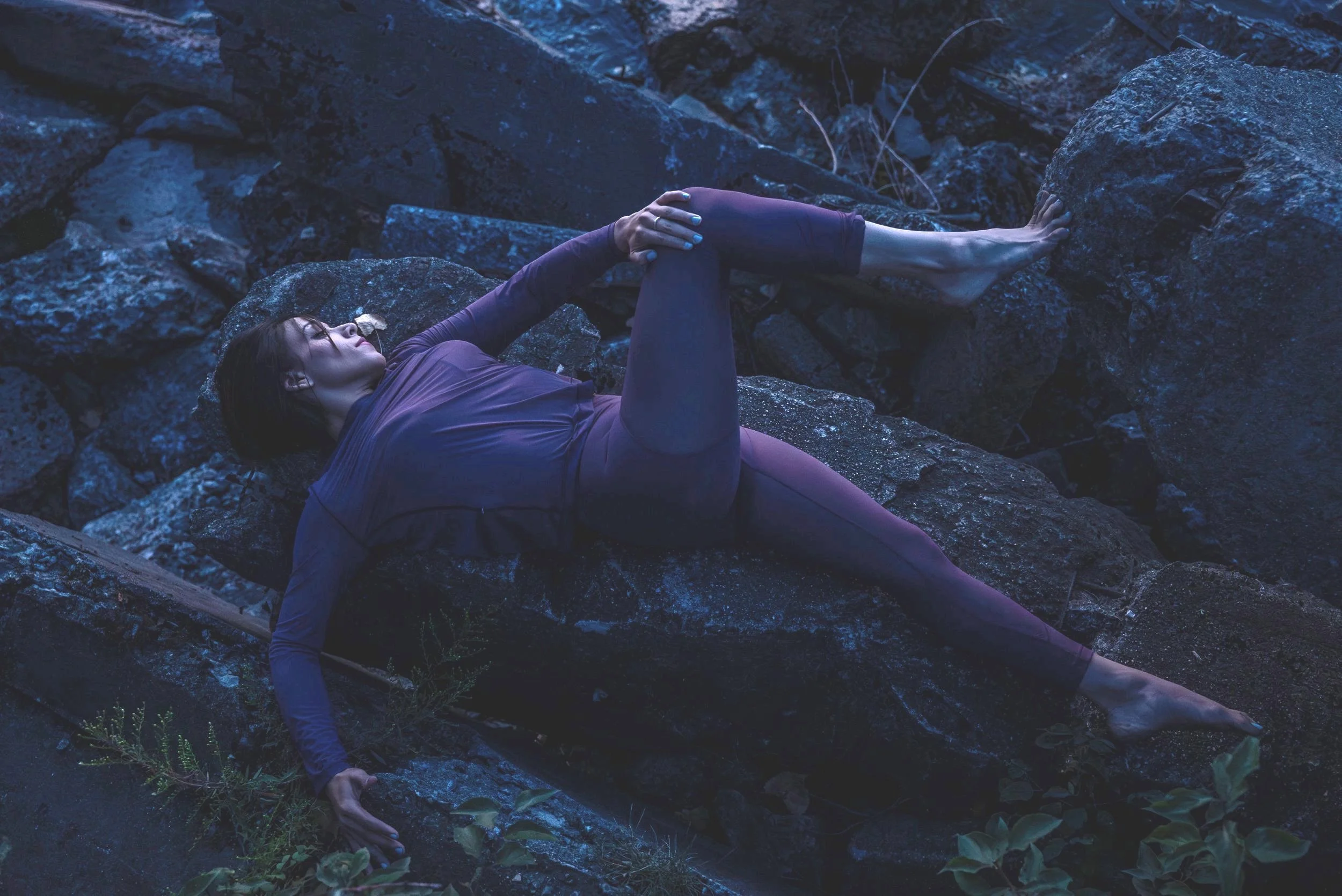
As a movement practitioner I believe in the right of each body to connect to movement in a way that feels safe and sovereign. I also respect the right of each body to connect to rest.
Many populations have been deprived of rest systematically. Restfulness is reparative.
Perhaps, we can offer the bodies compassion and pacing we offer ecosystems and species restoring habitats. Helping patients access the relief they need in places that are conducive. Helping protect the spaces where relief can inhabit what was taken from the body.
-
I’ve been through- and I imagine that if you are a chronic pain patient you’ve experienced as well- too many dismissive and frustrating experiences inside the standard medical system.
I must say as well that throughout the years I have found very good physicians. I actually train physicians and surgeons that are excellent in their fields. My reflection is not so much about physicians, but about the system.
I have been questioning it for over 20 years.
I still ask myself:
How is it that both prejudice and ableism coexist inside the treatment for chronic pain disabilities? Why do treatments lack empathy protocols? Why is there a constant rush to produce metric relief? Why is it that as a patient I feel that the system is owed relief?
And another question that daunts me is: Why -at least in my clinical experience- are protocols that take into account historical contexts for the management of chronic pain in patient descendants of intra and inter generational trauma inexistent?
If bodies of communities have been subjected to systematic lack of empathy, over generations, then empathy itself is a calibration medicine.
Perhaps empathy is healing. For me it is.
Empathy is the spirit that guides this platform.
-
The journal within Pink Hour is a way of opening conversations.
Having a voice for communities that come from histories of enforced silence is healing.
I cannot count how many medical appointments I have attended where I was unable to speak or communicate how I truly felt.
The journal is a space to cherish the good days, give visibility to the challenging ones and to be unapologetically visible when get to be.
-
Taíno, my first nation, was the first tribe in this hemisphere where the ability to gather was ruptured.
For me, creating community is healing; it is the heart of my relational practice.
Within this platform, self-care becomes relational care.
As a community, those of us living with chronic pain spend long periods in our homes whenever our windows of energy close.
I designed this platform virtually so that members can connect at their own rhythm, in their own time, and according to the fluctuations of their energy and body. So that we can create an adaptive community.
-
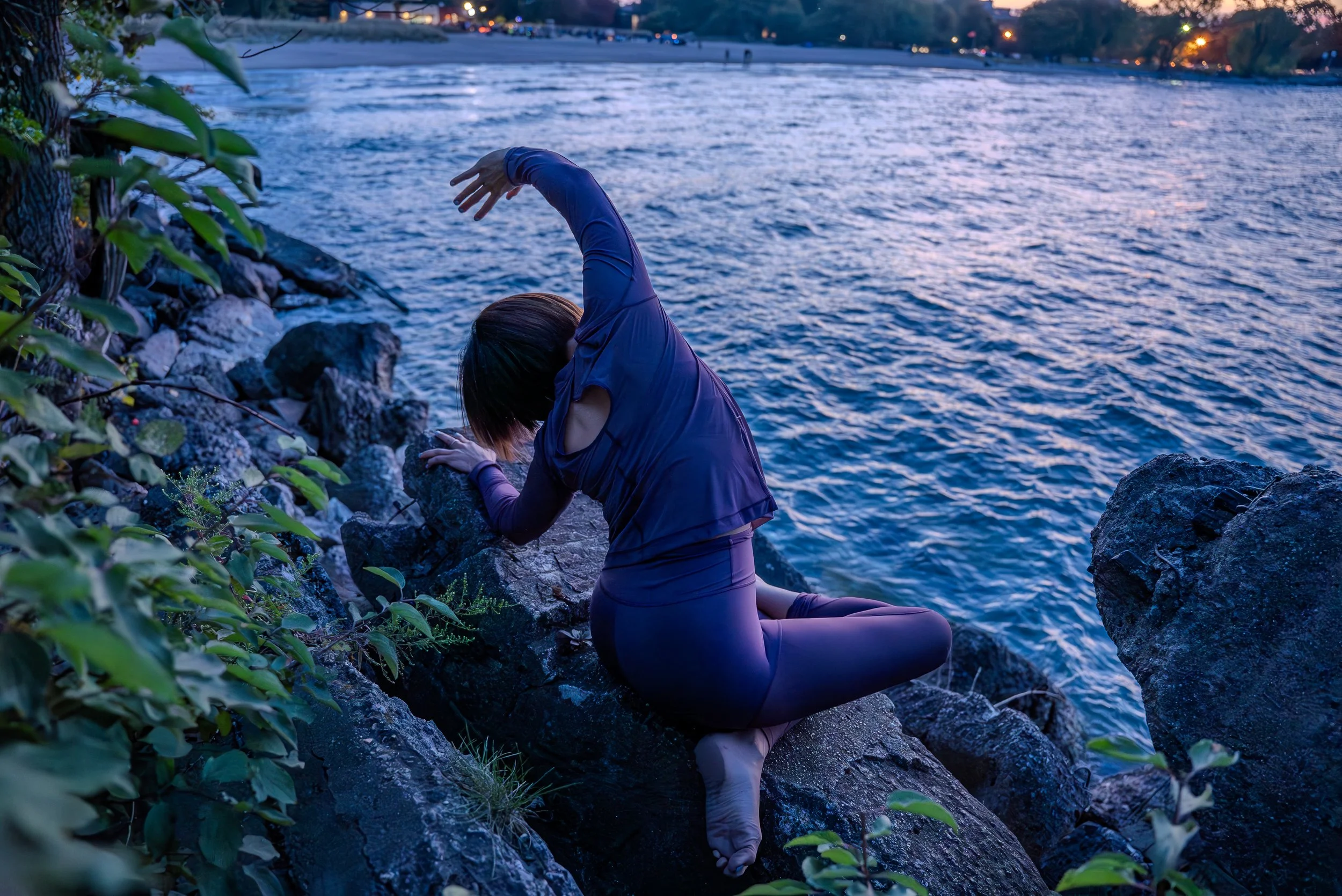
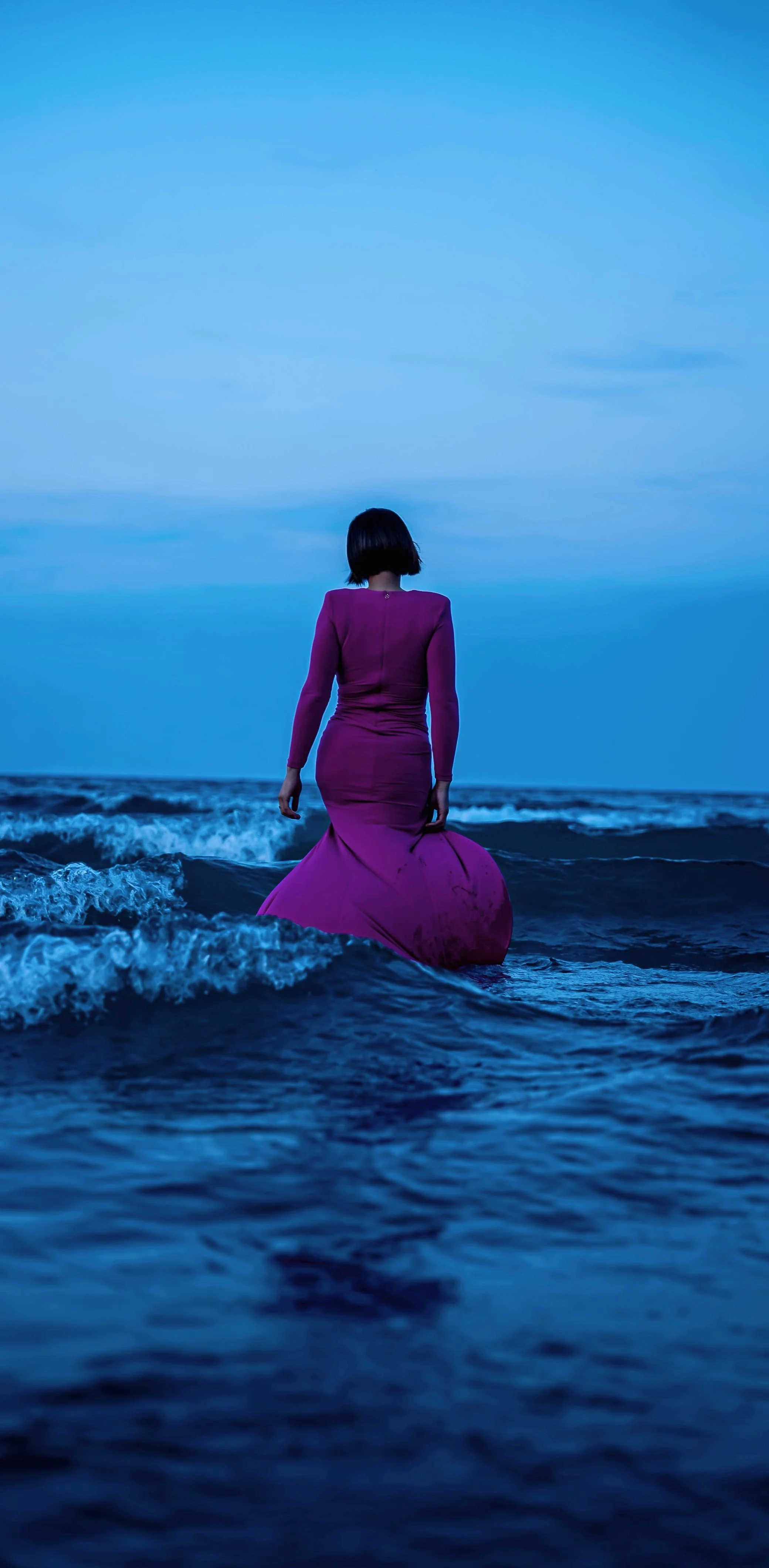
Pink Hour is held in water because water, for me — and I believe for our community — is a mirror. The way I began to love myself even while in pain, and to recognize my capacity regardless of my level of energy, was through contemplating water.
The lake manifests in different ways and different energies each day. Yet in all its fluctuations — in calm, in fury, in slowness, in fog, when it is navigable or not — we never look at it and think its waters are not powerful. It is always water. Full. Capable.
Frozen, raging, slow, or still — it is always inherently powerful.
-
Another medicinal principle of Pink Hour is beauty. The right to beauty as relief.
I intentionally seek moments filled with beauty because they bring relief, and because the right to beauty, to peaceful moments in life, feels like a form of restoration. The right to be free within and with nature. Offering that fullness to the body feels to me like a restorative act of wellbeing.
I believe — and I know that communities reclaiming their healing believe as well — that if the land was taken from you, we will heal through the land and by restoring our body’s relationship to the land. If the water was taken from you, we will heal in healed waters.
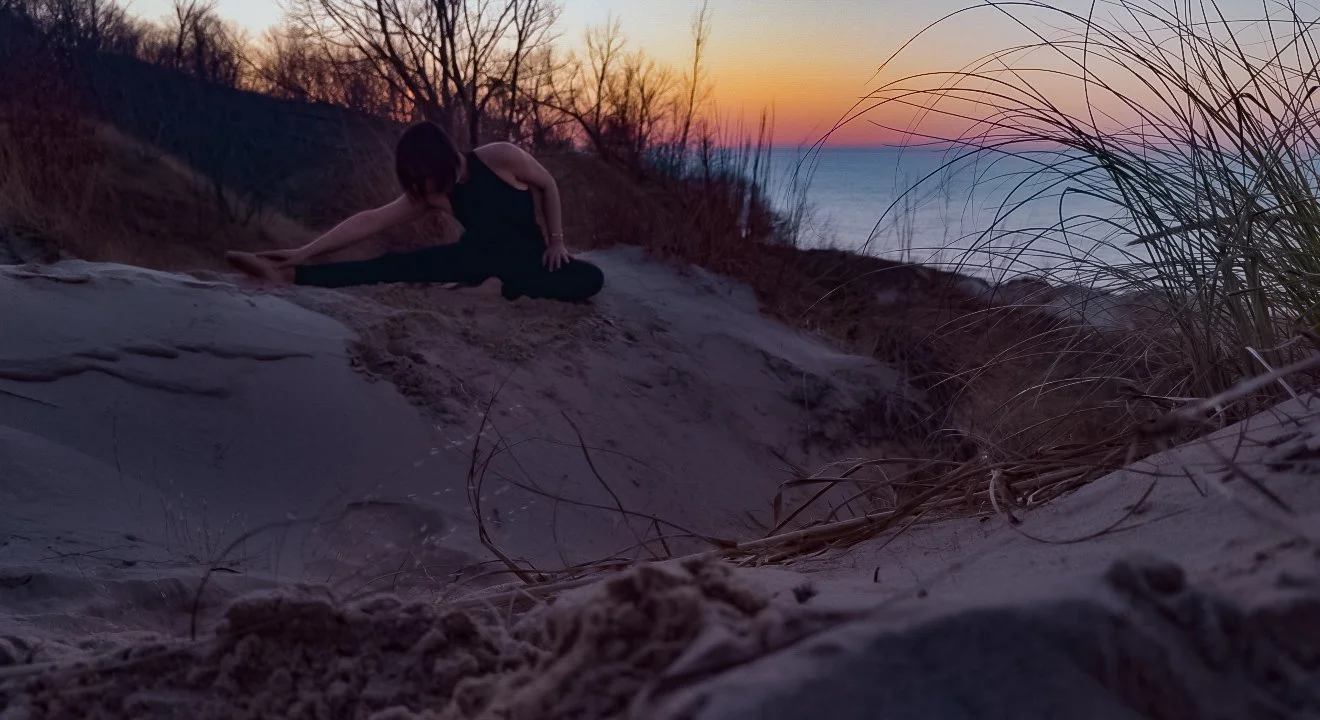
I value nature-based beauty, and I share it, because when waves of fatigue or pain arrive, those moments outdoors are finite.
-
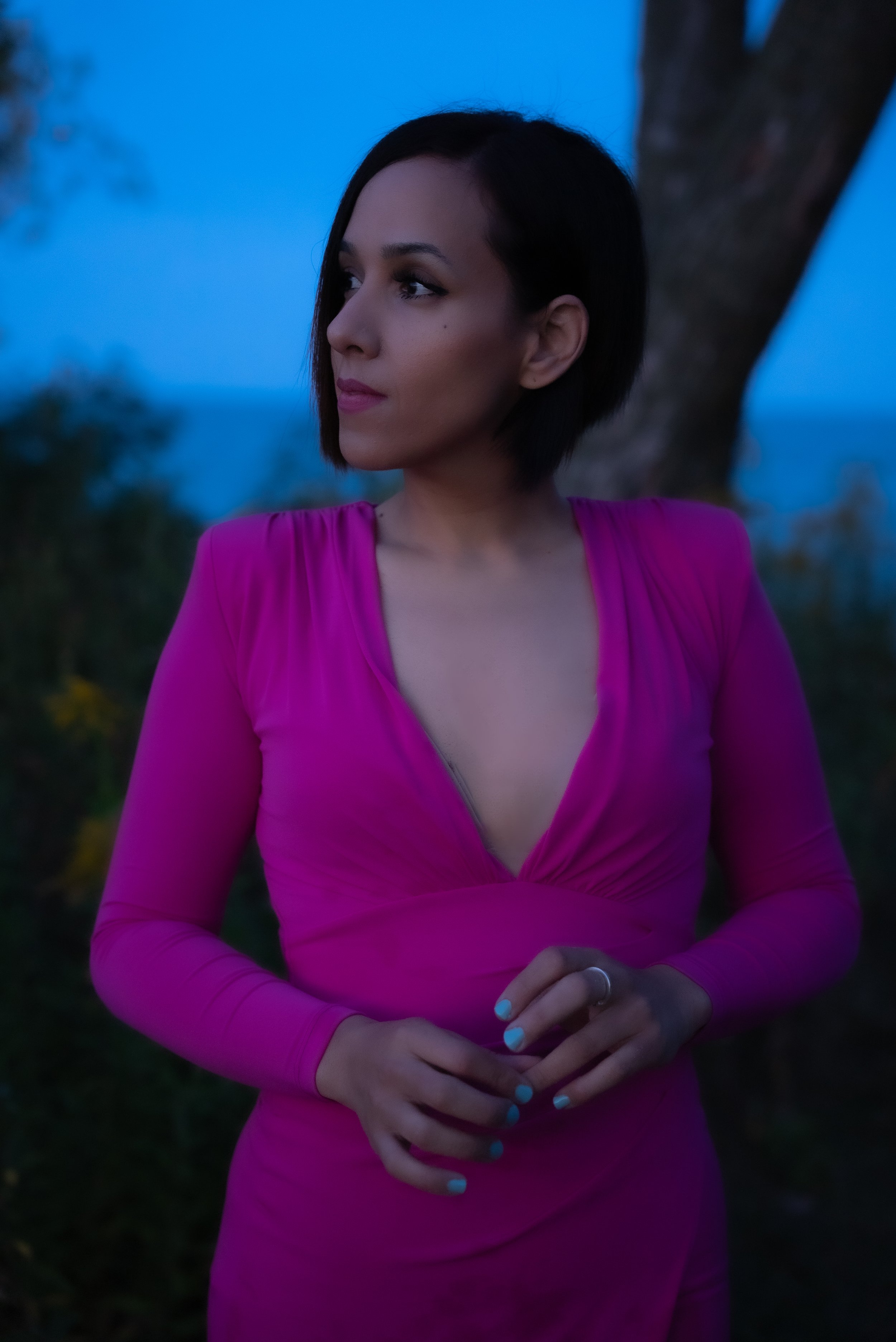
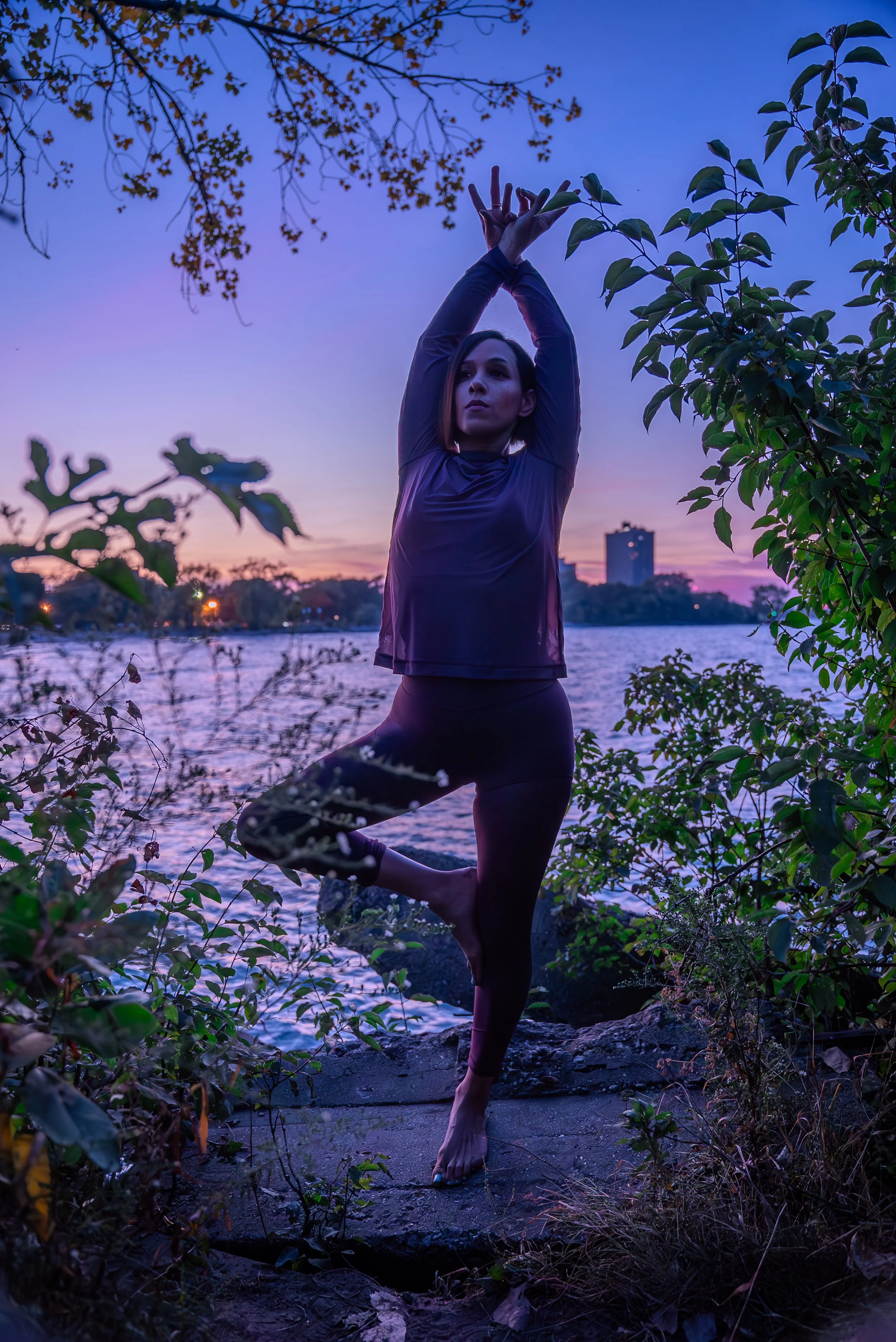
The pink window of light is special within these movement practices because it is a space that is neither day nor night — a place where the body can be, exist, and heal at its own pace and in its own time.
I invite you into a platform where you can arrive in any state, in any relationship you have with pain or relief, and you will always be welcome.
Here, you will always be — and always remain — a body of water, moving in your own way, and inherently powerful.
Welcoming care,
-Noelia Cruz, CPT
To the girl on the couch,
The Fifth Season: A Sweet Beginning
I hope the way nature grows; softly, steadily, teaches us self-compassion. And I hope that spring reminds us: we don’t have to bloom on command. We can bloom when we’re ready.
pH
Balancing life is never a fixed state and it comes with its own challenges. But it’s worth remembering: the “p” in pH comes from the French word puissance; meaning strength. And our blood, too, carries a pH. There is power in p. A strength to transform.
Ni
May we remain mindful of our connection to the waters within us and around us.
A la chica en el sofá,
Espero que esta plataforma le dé visibilidad a nuestra comunidad, para que nos celebren no solo en los días buenos cuando ganamos los asaltos, sino también en los días que caemos en la lona.
pH (Español)
Redefinir esos momentos como oportunidades de calibrar es una forma sutil de auto-empatía.